
Rabeprazole Sodium Pellets: Uses, Benefits & Manufacturing Process
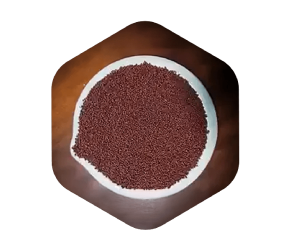
Rabeprazole Sodium Pellets
Rabeprazole Sodium is a popular proton pump inhibitor (PPI) which decreases the amount of stomach acid secretions. It is usually developed as pellet-based dosage forms and loaded into capsules or pressed in tablets. Pellet technology has become popular in drug manufacturing due to the fact that it increases the stability of a drug, increases patient compliance, and provides the ability to control the release of a drug.
About Srinag Pharma
Srinag Pharma Private Limited is a new pharmaceutical organization that was started in 2017, focusing on producing and distributing quality pellets, micro-pellets, and granules to various markets worldwide. Through its cutting-edge manufacturing and R&D plants in Hyderabad, India, the company is dedicated to providing innovative, dependable and cost effective semi-finished formulations of high standards of GMP and international quality.
Based on scientific excellence, high-end technology, and a customer-focused mindset, Srinag Pharma collaborates with customers across the globe to design tailor-made solutions that offer the advantages of the same quality, regulatory standards, and long-term benefits in pharmaceutical production.
What Are Rabeprazole Sodium Pellets?
Rabeprazole sodium pellets are free-flowing small spherical particles of the active drug that is layered on inert cores. These pellets are typically enteric coated to avoid drug degradation in an acidic stomach environment. Since rabeprazole is labile to stomach acid, pellet formulations provide that the drug is discharged in the intestine where it can be effectively assimilated.
Uses of Rabeprazole Sodium Pellets
Rabeprazole sodium pellets are mainly employed in the management of gastrointestinal ailments that are related to acid. Key uses include:
Gastroesophageal Reflux Disease (GERD):
Rabeprazole is applied in reducing the effects of acid reflux such as heartburn and regurgitation, by suppressing the secretion of gastric acid.
Peptic Ulcers:
It may be used to treat gastric and duodenal ulcers since it assists in the generation of a less acidic environment which allows healing.
Zollinger-Ellison Syndrome:
It is an uncommon condition that is marked by excess production of acid. Rabeprazole helps to control the amount of acid secretion and symptoms.
Helicobacter Pylori Treatment:
Rabeprazole pills are normally combined with antibiotics to treat the H. pylori infections that give rise to a major portion of ulcers.
Dyspepsia and Acid Indigestion:
Also used to symptomatically treat acid-related symptoms, including bloating and indigestion.
Benefits of Pellet-Based Formulation
Rabeprazole sodium pellets have a number of benefits compared to traditional pills:
Greater Stability:
The enteric coating helps to shield rabeprazole against acidic conditions, therefore, sustaining the activity of the drug until it gets to the intestine.
Controlled Drug Release:
It is possible to prepare pellets to have a delayed or sustained release that enhances benefits of treatment and minimizes the frequency of dose.
Less Gastric Irritation:
With the drug being released in the intestine and not in the stomach, the drug reduces irritation to the gastric mucosa.
Even Distribution of Drugs:
Pellets spread uniformly in the gastrointestinal tract which results in a more consistent absorption and effectiveness.
Adjustable Dose:
Pellets can be placed in capsules or sachets, and they can be used in pediatric and geriatric patients with the difficulty of swallowing tablets.
Better Patient Compliance:
Ease of administration and decreased side effects result in increased treatment compliance.
Manufacturing Process of Rabeprazole Sodium Pellets
Production of rabeprazole sodium pellets is carried out in a few steps which are very specific and controlled:
Preparation of Core Pellets:
Inert cores are chosen as the base material. The cores offer a homogeneous drug-layering surface.
Drug Layering:
Rabeprazole sodium is suspended or dissolved in an apt solvent system with binders. Equipment such as fluidized bed processor or coating pan is used to spray this solution on the core pellets. The procedure maintains consistency in deposition of the drug.
Drying:
Drying of the drug is done after the layer of drug is applied to rid the drug of any solvents that may be left behind as well as to attain the required moisture content.
Seal Coating:
This is a protective layer of seal coating that is placed to avoid contact between the drug layer and the enteric coating. This is an essential step since rabeprazole is environmentally sensitive.
Enteric Coating:
The pellets are coated with an enteric polymer. This coating helps to block the release of drugs in the acidic stomach and release them in the intestine.
Final Drying and Curing:
The coated pellets are dried and cured, so as to stabilize the coating and improve its performance.
Capsule Filling or Tableting:
The end pellets are filled into hard gelatin capsules or compressed into multiple-unit pellet system (MUPS) tablets.
Quality Control and Evaluation
The safety and efficacy of rabeprazole sodium pellets are confirmed through rigorous testing:
Particle Size Distribution:
This process ensures uniformity in dosing.
Content Uniformity of Drug:
It ensures that drug is present in the same quantity in each unit.
Dissolution Test:
This step checks the delaying release characteristics of each drug.
Stability Studies:
Study of the stability of the product under different environmental conditions.
Acid Resistance Test:
Evaluates the integrity of the enteric coating in an acid environment.
Challenges in Manufacturing
In spite of its benefits, the production of pellets is accompanied by some challenges:
Instability of the Drug:
Rabeprazole is very sensitive to moisture, heat and acid.
Coating Uniformity:
A uniform enteric coating may be tricky to achieve.
Equipment:
Equipment for this process has a higher cost.
Process Optimization:
It entails fine tuning of process parameters such as temperature, airflow and spray rate.
Conclusion
Rabeprazole sodium pellets are a superior pharmaceutical regimen that is developed to streamline the delivery and efficacy of acid repressive treatment. They are preferred in modern medicine due to their capacity to withstand degradation of the drug, target release, and enhance patient compliance. The process of manufacturing is complicated and needs to be controlled by stringent quality standards, but the therapeutic benefits and better patient outcomes justify its high usage.